
How to Ease Your Pet’s Transition Back Home After Boarding

How to Ease Your Pet’s Transition Back Home After Boarding

How to Ease Your Pet’s Transition Back Home After Boarding

How to Ease Your Pet’s Transition Back Home After Boarding

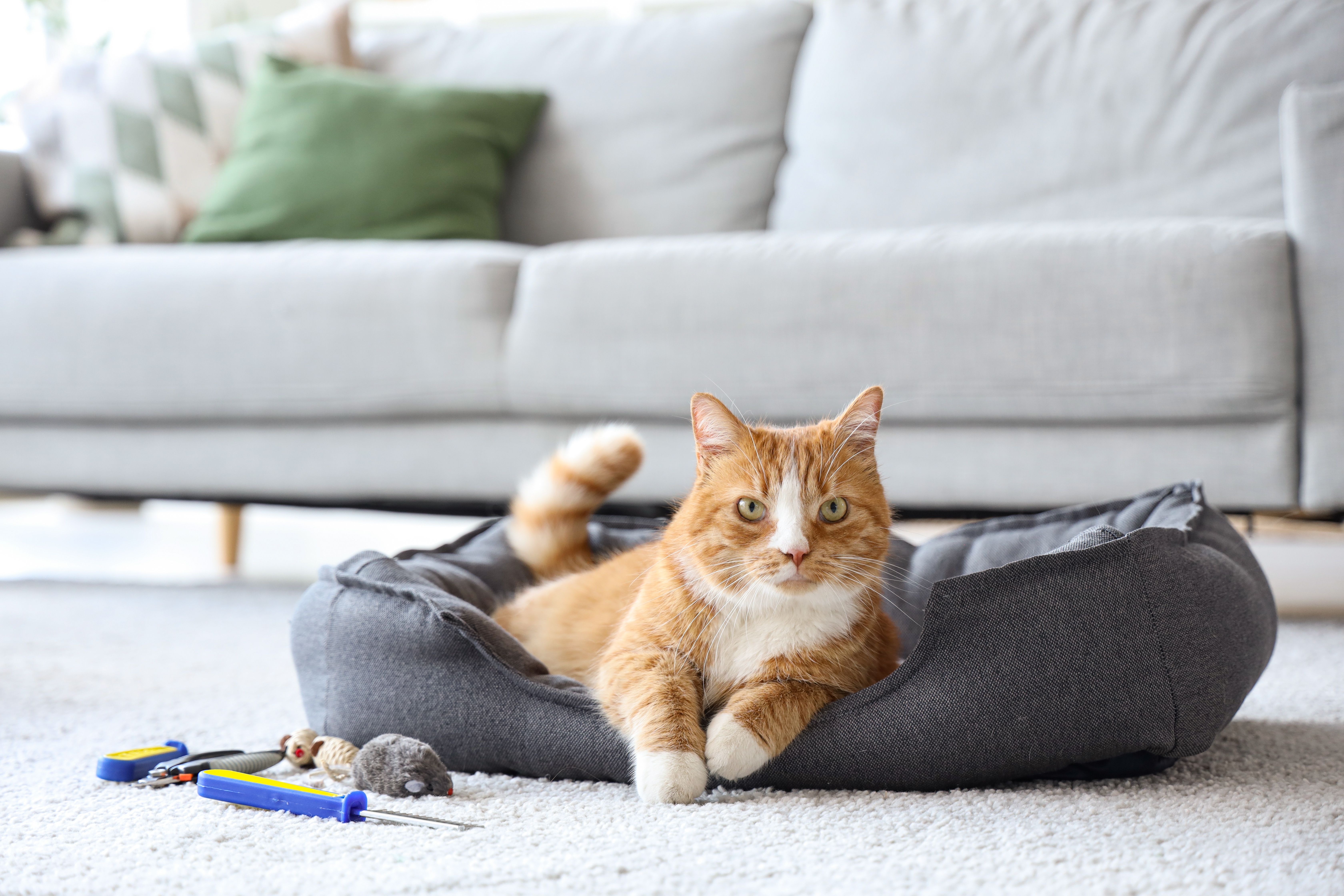
Bringing your dog or cat home after boarding is exciting, but it can also come with a short adjustment period. Even when pets receive attentive care and a comfortable routine during their stay, the change in environment can affect their energy, sleep, and behavior for a few days. The goal is to help them decompress while gently returning to normal life at home.
Understand What Post-Boarding Behavior Can Look Like
Many pets are a little tired after boarding because of extra stimulation, new sounds, and increased activity. Others may seem extra clingy, vocal, or restless once they are back in familiar surroundings. These reactions are usually temporary and not a sign that boarding was a negative experience. Think of it like returning from a busy trip - it takes a moment to settle back in.
Start with a Calm Homecoming
When you arrive home, keep greetings low-key. Offer a calm hello, a bathroom break, and fresh water. If your pet is bursting with energy, avoid turning the first hour into a party. A quieter welcome helps their nervous system reset faster.
If you have multiple pets, do introductions carefully. Some pets need a short buffer before interacting with housemates, especially if they are tired or overstimulated.
Re-Establish Routine Quickly
Pets feel secure when the schedule is predictable. As soon as you can, return to your typical feeding times, potty breaks, walks, and bedtime. If your pet seems extra hungry, avoid overfeeding. Instead, stick to normal portions and offer a small, healthy snack if needed.
A consistent routine is also one of the best ways to reduce post-boarding anxiety, especially for dogs that tend to be sensitive to change.
Give Them a Decompression Window
Plan for a quieter 24-48 hours after pick-up. Keep the day simple and avoid back-to-back visitors, long outings, or crowded dog parks. If your dog wants extra naps, let them rest. If your cat hides for a bit, allow space while keeping food, water, and the litter box easily accessible.
Quick Ways to Support A Smooth Transition
- Offer a quiet resting spot away from noise and foot traffic
- Keep meal times and walk times consistent
- Reintroduce exercise gradually instead of jumping into long hikes
- Limit exciting visitors for the first day or two
- Watch for changes in appetite, stool, or energy level
Keep Pet Boarding a Positive Part of Their Routine
If your pet boards occasionally, consistency helps. Short daycare visits or brief boarding stays can make future transitions easier because your pet learns what to expect. A familiar, professional environment with a predictable routine can reduce stress and improve confidence over time.
If you want support planning your pet’s next stay or building a boarding routine that fits your schedule, Malibu Coast Pet Retreat in Malibu, California can help. Call (424) 402-1500 to book an appointment today.

All Services
Learn More
Keep
In Touch
Interested in our services?


Boarding Drop-off & Pick-up Hours
- Monday to Friday 8:00am – 5:30pm
- Saturday and Sunday 9:00am – 1:00pm
NEW YEAR'S DAY, EASTER, MEMORIAL DAY, INDEPENDENCE DAY, LABOR DAY, THANKSGIVING DAY, CHRISTMAS DAY
23431 Pacific Coast Hwy
Malibu, CA 90265
© 2026 Malibu Coast Pet Retreat. All rights Reserved. Accessibility Statement - Privacy Policy - Sitemap
Powered by:
